Unlocking Halal Export Opportunities for Pakistan’s Poultry Sector
Dr Mian Nadeem Riaz will highlight how Pakistan can combine authentic Halal practices, food safety, traceability and international certification to access high-value poultry markets.
Thank you for reading this post, don't forget to subscribe!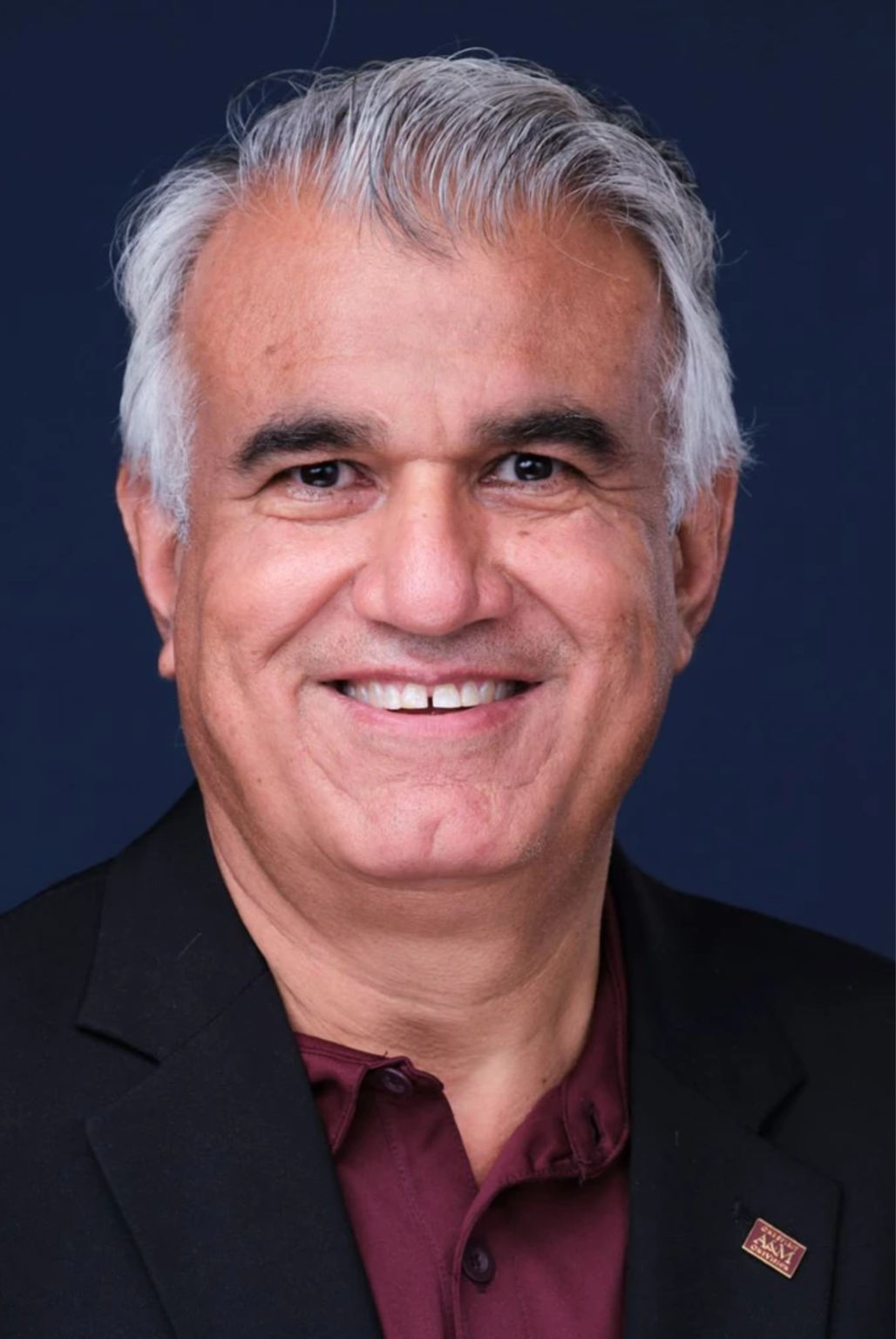
LAHORE: Pakistan’s potential to become a trusted international supplier of Halal poultry products will be highlighted at IPEX 2026, where internationally recognised Halal food and food-processing expert Dr Mian Nadeem Riaz will deliver a presentation titled “Unlocking Halal Export Opportunities for Pakistan’s Poultry Sector.”
Dr Mian Nadeem Riaz
Dr Riaz is an internationally recognised authority in Halal food production, food processing, food and feed extrusion technology and food diversity.
He has authored seven books, 29 book chapters and more than 163 peer-reviewed scientific papers. He has delivered over 850 invited presentations in more than 70 countries.
His books, including Halal Food Production and Handbook of Halal Food Production, are widely used by academic institutions and food-industry professionals.
Why This Presentation Matters for Pakistan
The international Halal food market continues to expand as consumer awareness, certification requirements and demand for trusted Halal products increase in Muslim-majority and non-Muslim markets.
Pakistan has several structural advantages, including established Halal slaughter practices, a large poultry production base and close geographical access to Gulf Cooperation Council markets.
However, converting these advantages into sustainable exports requires much more than Halal slaughter. International buyers require documented compliance, reliable certification, food safety, residue control, cold-chain management and complete product traceability.
Global Market Access
Understanding importer requirements and building commercial relationships in GCC, Asian and other international markets.
Halal Assurance
Extending Halal compliance from feed production and farming to processing, packaging, logistics and retail.
Food Safety
Integrating Halal certification with laboratory testing, HACCP, GMP and internationally recognised quality systems.
Traceability
Establishing verifiable farm-to-market records for birds, feed, veterinary inputs, processing and transportation.
Global Market Access Requirements
Halal certification is an essential component of export readiness, but international market access depends on a broader system of sanitary, technical, commercial and regulatory compliance.
- Internationally accepted Halal certification
- Good Manufacturing Practices
- HACCP-based food safety controls
- ISO 22000 and recognised quality systems
- Feed and ingredient verification
- Veterinary medicine residue monitoring
- Disease surveillance and biosecurity
- Accredited laboratory testing
- Farm-to-processing traceability
- Cold-chain and logistics management
- Importing-country regulatory compliance
- Consistent product quality and supply
Halal Compliance Must Cover the Complete Supply Chain
Modern Halal assurance does not begin and end at slaughter. Export-oriented poultry businesses must control every component that can influence the Halal status, safety and acceptability of the finished product.
Feed and Farming
Feed ingredients, animal-derived inputs, farm biosecurity, veterinary medicines and production records must be monitored and documented.
Processing and Ingredients
Slaughter procedures, processing aids, flavours, enzymes, additives, casings and cleaning materials require verification.
Packaging and Logistics
Packaging, storage, segregation, cold chain, transportation and export documentation must protect product integrity.
How Pakistan Can Develop Halal Poultry Exports
Pakistan needs a coordinated industry and policy roadmap that connects poultry production with certification, testing, processing, logistics and international trade development.
- Strengthen internationally acceptable Halal certification infrastructure and mutual recognition arrangements.
- Modernise poultry processing plants and ensure compliance with international food-safety and importing-country standards.
- Develop export-oriented poultry production and processing clusters with documented biosecurity and traceability.
- Expand accredited laboratory capacity for microbiology, residues, contaminants and product-quality testing.
- Establish digital farm-to-export traceability systems covering feed, medicines, flock records, processing and logistics.
- Train farmers, veterinarians, processors and exporters in country-specific technical and certification requirements.
- Build direct relationships with importers, distributors, regulators and Halal certification bodies in target markets.
- Develop a consistent international identity for premium Pakistani Halal poultry products.
Why IPEX 2026 Is Important
Organised by the Pakistan Poultry Association, the 26th International Poultry Exhibition will be held from October 8 to 10, 2026, at the International Expo Centre, Lahore.
IPEX 2026 provides a national and international platform for poultry farmers, integrators, feed manufacturers, animal-health companies, equipment suppliers, processors, researchers, exporters and investors.
B2B Networking
Connect with buyers, suppliers, investors and technology partners from Pakistan and international markets.
Technology Display
Explore developments in poultry housing, processing, nutrition, genetics, automation and disease management.
Technical Knowledge
Attend scientific presentations and expert sessions addressing major production and market challenges.
Export Development
Identify certification, processing and market partnerships required to expand Pakistan’s poultry exports.
Connect, Learn, Exhibit and Explore New Markets
Poultry companies, exporters, researchers, veterinarians, food technologists, certification bodies, investors and allied businesses should use IPEX 2026 to build partnerships and explore export-oriented opportunities.