The Pakistan Agricultural Research Council (PARC), in collaboration with the Korea Program on International Agriculture (KOPIA), inaugurated“Two-Weeks International Training Workshop on “Recent Trends in Breeding & Genomic Technologies for Cattle and Goat” from July 13-24, 2026. A total of 16 participants from PARC,academia and private veterinary practitioners are being trained in this workshop.
Thank you for reading this post, don't forget to subscribe!The inaugural session of this training workshop was held on July 13, 2026, at the National Agricultural Research Centre (NARC), Islamabad. The event took place under the KOPIA Technical Cooperation Project titled “Breed Improvement through Efficient Artificial Insemination Services by Using Korean Holstein Semen in Cattle.”
The initiative aims to strengthen Pakistan’s livestock sector by improving the genetic potential of indigenous cattle through modern breeding and genomic technologies. Large-scale adoption of these technologies is essential for accelerating genetic improvement, enhancing milk and meat productivity, increasing farm incomes, and contributing to national food security. To build the technical capacity of Pakistani scientists, PARC organized this training as the third International Training Workshop under the KOPIA Korea Project.
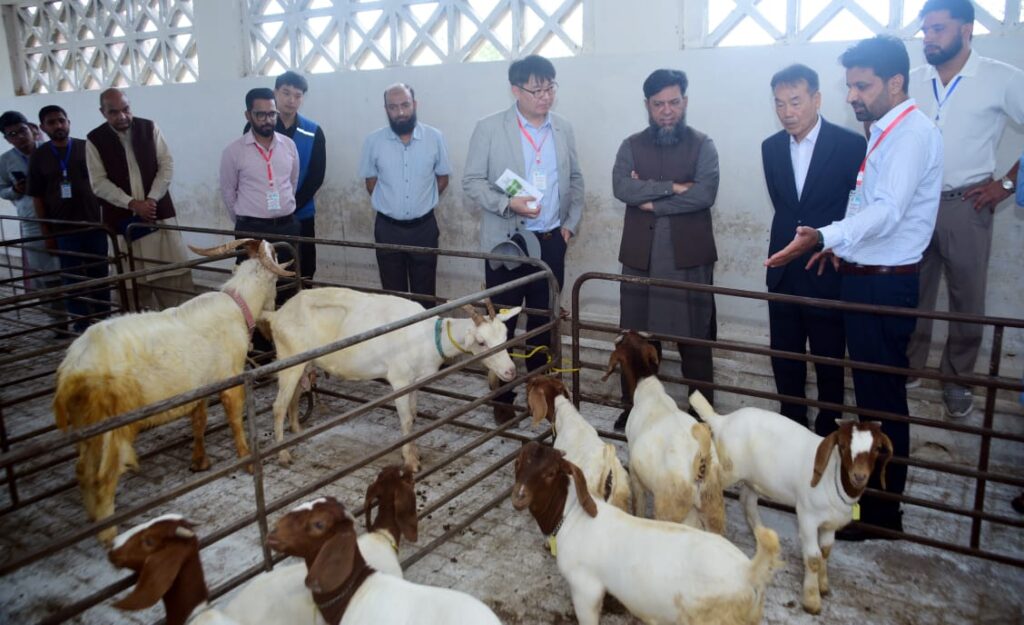
The first workshop, titled “International Training Workshop on Modern Breeding Technologies in Cattle,” was held from March 26–28, 2024. A total of 31 participants from PARC, academia, private livestock organizations and dairy farm managers were trained in this workshop. The master trainer was eminent Korean expert Dr. SungJong Oh, Animal Reproduction Specialist.The primary objective of the workshop was to enhance the technical capacity of human resource in modern breeding technologies, including estrus synchronization, artificial insemination, ultrasonography, in vitro fertilization (IVF), embryo transfer, DNA microarray technology, and ex situ conservation of indigenous cattle.
Through capacity building under this training program, PARC scientists acquired knowledge about DNA microarray technology, enabling the genotyping of F1 progeny born under the KOPIA project to identify single nucleotide polymorphisms (SNPs) associated with milk production traits and facilitate genomic selection of genetically superior calves.
The second workshop, titled “International Training Workshop on Artificial Insemination & Pregnancy Diagnosis in Cow,” was organized from October 20–24, 2025. The training was attended by 24 participants, including scientists, academicians, artificial insemination technicians, and livestock professionals. The workshop featured lectures and practical demonstrations by Korean expert Dr. Jihwan Lee, focusing on controlled breeding programs for dairy cattle. Through this training, skills of scientists, technicians and field veterinarians improved and ultimately reproductive efficiency of cattle in project areas was enhanced by adopting standardized controlled breeding programs.
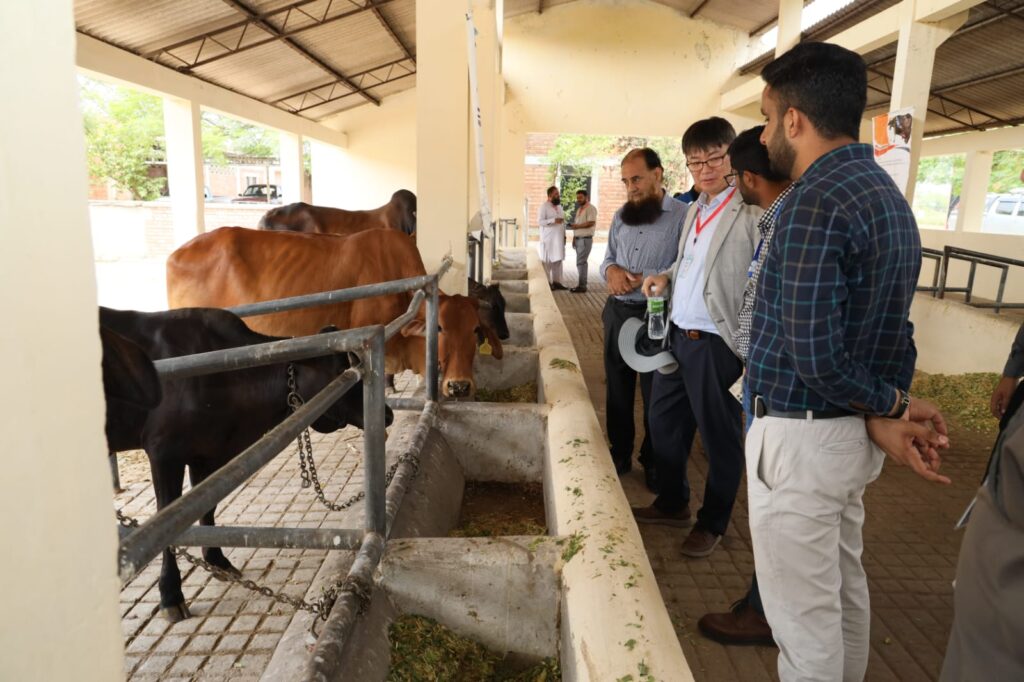
This third Two-Week International Training Workshop is being organized from July 13–24, 2026. The training is being attended by 16 participants, including PARC scientists, academicians, and livestock professionals. The workshop will feature lectures and hands-on practical sessions by Korean expert Dr. Suh Sangwon, covering recent advances in breeding and genomic technologies including embryo production, cryopreservation& transfer, genomic profiling, SNP chips, genome-wide association studies (GWAS), estimated breeding values (EBVs), gene-editing, bioinformatics tools, and precision breeding using DNA microarray technology. Participants will also receive practical training on superovulation, artificial insemination, embryo flushing, embryo grading, oocyte aspiration, in vitro fertilization, and embryo production in cattle and goats.
Through this training, the scientists will be able to understand the genomic tools to analyze the data of DNA microarray for identification of SNPs related traits of economic importance in cattle and goatenabling the early identification and selection of genetically superior breeding animals, thereby accelerating genetic gain and reducing the generation interval.
Through these international training workshops, PARC and KOPIA continue to strengthen Pakistan’s scientific capacity in advanced breeding and genomic technologies while promoting the transfer of Korean expertise to the country’s livestock sector. The knowledge and practical skills acquired during these trainings are expected to accelerate genetic improvement of indigenous cattle and goats, enhance livestock productivity, improve farmers’ livelihoods, and contribute to sustainable livestock development and national food security.