By Muhammad Abdullah
Student – Doctor of Veterinary Medicine (DVM), CVASJhang
Supervision and review by : Dr Muawuz Ijaz – CVAS jhang
Eid-ul-Adha is not only aevent with spiritual and religious sanctity , it is a large scale economic growth which enables rural families to convert their livestock assets into annual income. According to Pakistan Tanners Accosiation 7.47 M animals sold this year .Economy here merely not means sale and purchase of animals but also transportation, fodder and veterinary services . In 2026, this system operated under the combined pressure of global volatile situation, rising input costs, and shifting domestic demand patterns, all of which were reflected in livestock market behavior.
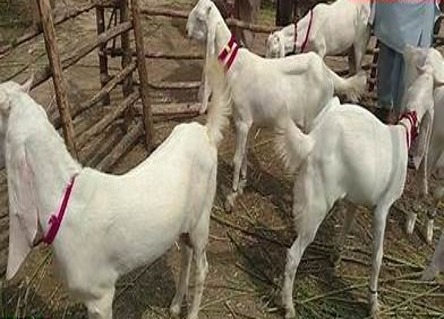
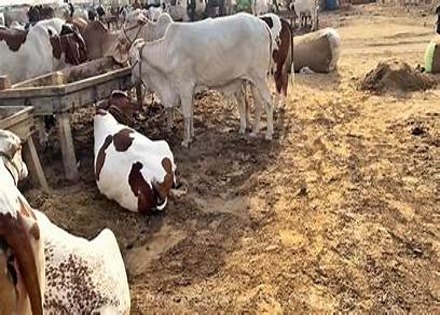
Field observations indicated that consumer participation remained strong, but purchasing behavior changed significantly. Buyers were more cautious and price sensitive and were negotiating repeatedly, market participants reported less conversion of footfall into actual sales during early trading days. This was evident in both beef and mutton segments , in cattle demand moved to shared arrangements while in mutton segments goat remained dominant.
Market dynamics reflected a clear imbalance between supply inflow and effective demand absorption. A large number of animals entered major livestock mandis from rural production areas, ensuring sufficient availability. However, early sales remained slow and improved significantly in the final days before Eid. This created a concentrated trading pattern where most transactions occurred under time pressure, increasing bargaining intensity and forcing sellers to adjust prices more flexibly than initially expected.
An important structural feature of the livestock economy is the role of middlemen. Farmers often invest months or years in raising animals but are compelled to sell earlier due to financial pressure or limited direct market access. Traders and commission agents come into play and frequently capture a larger share of profit margins. The efforts of poor farmers in terms of money,time are put down due to financial burdens.
Another emerging factor influencing livestock pricing is social media visibility. Animals featured in viral videos or widely shared online content through platforms such as Facebook, TikTok, and WhatsApp groups often receive disproportionate buyer attention.
Government institutions also contributed to market functioning during Eid-ul-Adha 2026. Local administrations established designated livestock markets . Veterinary departments set up temporary health camps toensure livestock fitness for sale. These measures helped maintain operational efficiency during peak market activity.A gradual shift toward digital financial transactions was also observed in urban livestock markets, although cash remained the dominant mode of exchange. This trend reflects a slow but steady movement toward financial digitalization within Pakistan’s informal livestock economy.
Overall, Eid-ul-Adha 2026 reflected a livestock market system that remained structurally active but economically pressured. While supply chains functioned efficiently and market participation remained strong, inflation, changing consumer behavior, middlemen dynamics, and emerging digital influences collectively reshaped pricing and purchasing patterns. The sector continues to demonstrate resilience, but is increasingly sensitive to both global economic shocks and internal cost pressures.