What floods bring in Pakistan – 2010, 2013, 2022 and 2025 Facts
Thank you for reading this post, don't forget to subscribe!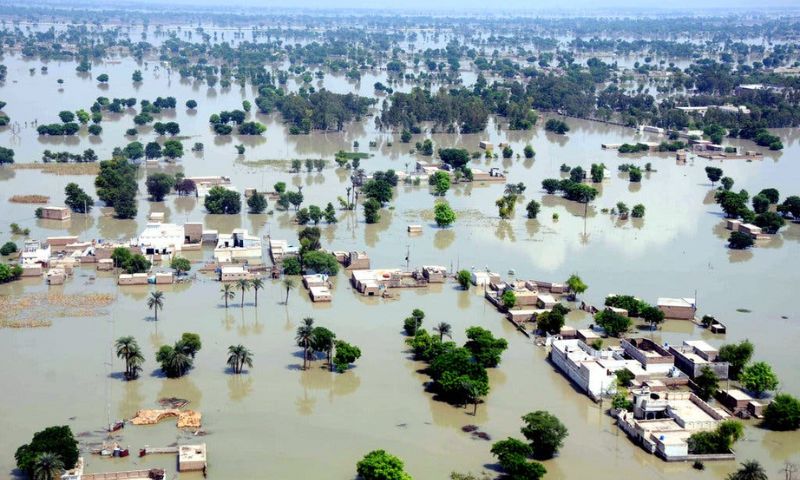
| Flood’s Footprints | 2010 | 2013 | 2022 | 2025 |
| Human Casualties | 1700 plus, 20 million people were affected | 500 deaths, 5 million people afflicted | 2000 death toll, 33 million affected | Almost ninety-nine districts are afflicted, By September start 800 plus death toll is recorded over 5 weeks (NMDA) |
| Migration | 6 million, mass displaced | Millions were forced moved | 8 million displaced | Injured 1100, displacement of 63,000 people, by far |
| Waterborne Diseases | Cholera, diarrhea, and dysentery, more than 1,000,000 cases | 300,000 cases of diarrhea, skin diseases, respiratory infections | Cholera, dysentery, typhoid fever, and hepatitis, 700,000 cases | Confirmation yet to be done; diarrheal outbreaks reported |
| Mental Health Impact | Post-traumatic stress disorder (PTSD) | Anxiety, depression, and PTSD | Anxiety and PTSD | Will be consistent to prior events |
| Livestock and loss of crops | 2 million + livestock afflicted by drowning, disease, less food and water | 1 million animals died by starvation and inadequate veterinary services | FAO reported 70% loss of livestock 1.1 M | Almost 6,180 livestock have been lost, so far |
| Vector-Borne Diseases | Malaria, dengue fever | Malaria, dengue | Malaria, dengue | Consistent with prior trends, surprisingly tick-borne and mite infections may remain under reported |
| Zoonotic diseases | Brucellosis, listeriosis | Anthracis, brucellosis and leptospirosis | Rabies, foodborne diseases | Estimates may include prior illness, AMR etc |
| Animal diseases | ~ 30-40% animals in flooded areas showed symptoms of FMD and brucellosis | Reported 40-50% of different veterinary illness cases | Rabies/ leptospirosis, FAO around 30% livestock affected or died from infections | Projections may vary from past trends |
| Animals at risk 2025 | Millions of animals were at risk | Millions of animals were at risk | Millions of animals were risked | Pakistan has 50-53 M cattle, 43M buffalo, 81 M goats, 31.5 M sheep, 1.2 M camels, and almost 1 B poultry birds (PES, 2022-23) |
| AMR estimates | Increased E. coli and Salmonella MDR (multi-drug resistant) strains, estimated that 40-50% of isolates were from flood-affected regions | Up to 60% of clinical isolates from patients in flood-affected areas with focus on gram-negative bacteria and multidrug-resistant (MDR) tuberculosis | World Health Organization highlighted the growing AMR, with over 60% of urinary tract infections (UTIs) caused by E. coli resistant to first-line antibiotics in affected areas | Cope-up and better response may lead to put a constraint |
| Mycotoxicosis | Aspergillus and Fusarium species | Aflatoxins and ochratoxins | Pakistan Agricultural Research Council (PARC) estimated around 25-30% stored grain in flood-affected areas was aflatoxin contaminated | Estimated to cause one health implications |
Diseases estimated:
- Increased zoonotic diseases, food poisonings while standing water creates breeding ground for vectors. Animals at risk accounts for most in Central Punjab which hosts major broiler farms currently stranded by floods. While buffaloes have advantage of being water animal rest every livestock species is at high risk. Mass migration will lead to more human- human or animal-human, wild birds or animals and animal- animal interactions leading to malignant spread of diseases. Also electrocution by electricity or thunder lightning strikes may lead to mortality. AMR Post-Floods is a direct result of unsupervised antibiotic usage in camps and relief treatments. The flooding leads to poor sanitation, further accelerating AMR rates. A significant resistance in E. coli, Salmonella, and Shigella and in animal populations due to self-medication and lack of veterinary control in disaster settings may be recorded.
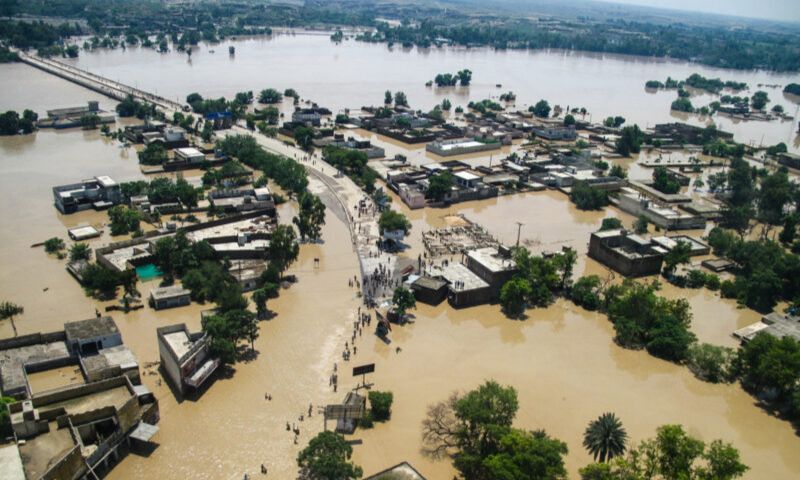
- 2025 Flash flood footprints:
- Eastern rivers, Ravi, Sutlej and Chenab face exceptionally high flooding, by upstream releases and intense rains affecting 2 million people in Punjab. While 1.6 million people remain at risk in Sindh.
- Satellite based evidence as of 29 Aug shows around 1.2 million ha area inundated including 0.8 million ha croplands country wide.
- Relief activities, 1,219 relief camps have been established, where 36,550 people are being provided relief, whereas 780,303 people have been rescued in multiple rescue operations.
- Conclusion:
- Each of these floods caused devastating health outcomes, with long-lasting public and veterinary nature of these disasters, underscores need for ongoing investment in flood management, infrastructure, and public health systems in Pakistan.
- The devastating floods in Pakistan in the 21st century, particularly in 2010, 2013, 2022, and now will contribute to spread of emerging and re-emerging infections. Aftermath of such catastrophic events, is a marked increase in incidence of health threats due to environmental changes, lack of access to healthcare, breakdown of sanitation systems and disrupted vaccination programs.
Cites to follow for floods updates and backdates:
- WHO
- UNICEF
- FAO
- National Disaster Management Authority (NDMA)
- United Nations
- Pakistan Agricultural Research Council (PARC)