Dr. Baz Mohammad JunejoEx-Secretary, Livestock and Fisheries, Sindh 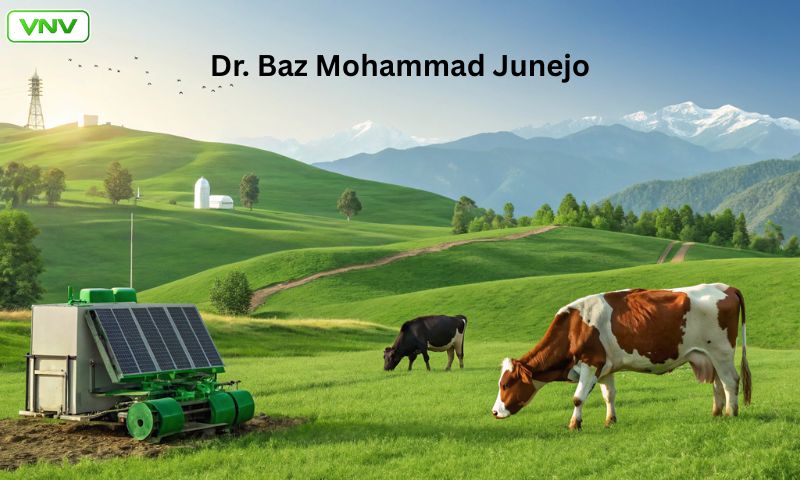
Pakistan is currently facing a major meat crisis, with only around 50% of national demand being met—much of it with substandard meat. This not only raises serious public health concerns but also emphasizes the need for a modern, scientific, and sustainable livestock system. To ensure food security and improve economic outcomes for farmers, hygienic and high-quality meat production must become a national priority.
Notably, arid and semi-arid regions in Pakistan offer ideal ecological conditions for livestock farming, especially meat production.
Current Challenges
Low-Quality Animals: Many slaughtered animals are weak or diseased, leading to poor meat quality and health risks. Lack of Specialized Breeds: There is a shortage of livestock breeds tailored for meat production. Inefficient Practices: Traditional farming methods, inadequate feed, and poor disease control lower productivity and farmer profitability.
Proposed Solution: Farmer-Led Meat Companies
Establish registered meat companies in arid and semi-arid regions, formed by groups of 10–20 farmers and registered under the Companies Act or Cooperative Societies Act. These companies would:
-
Maintain breeding stock for meat production -
Provide veterinary and feeding services -
Ensure a consistent supply of quality meat
Livestock Production Enhancement
DR. ALI BUTT
Unlocking the Potential of Indigenous Breeds
Local breeds such as Tharparkar, Kankrej, and Cholistani are naturally suited to arid climates. With targeted:
-
Breeding Programs -
Feed management -
Disease control
Strategic Recommendations
1. Collaborative Research:
Partner agricultural universities with private/public sectors to convert farms into breeding, feeding, and training centers.
2. Farmer Education:
Train farmers in modern breeding, nutrition, and disease prevention techniques.
3. Breed Improvement Programs:
Focus on traits such as early maturity, adaptability, and weight gain.




Fattening & Processing Operations
Improve fattening techniques for young male buffalo, goats, sheep, and indigenous cattle by feeding them on high-energy rations until maturity.
Fattening Guidelines:
Water: 10% of body weight daily
Feed: Maize silage or high-quality green fodder
Nutrition: Concentrate feed mix
Structure of a Meat Company
Members: 10–20 farmers
Livestock per member: At least 30 cows, 100 goats, 100 sheep
Support: Input supply (feed, seeds), veterinary services on a no-profit, no-loss basis
Key Benefits
-
Higher Meat Quality: Proper fattening, slaughter age, and hygiene -
Better Genetics: Quality breeding animals from mother farms -
Increased Incomes: Improved efficiency and direct market access
Livestock Availability in Key Regions
Sindh: 5+ million breeding cows producing 2.5 million male calves annually
Abundant Small Ruminants: Pateri, Bari (goats); Kooka, Kachhi (sheep)
Cholistan (Punjab): Similar availability and growth potential
Livestock Crises Management
DR. ALI BUTT
Profitable Ventures to Explore
Teddy Goats: Known for fast growth and multiple births—ideal for meat.
Ostrich Farming: High-profit venture with strong demand, especially for export.
Establishing Meat Zones & Export Growth
-
Set up at least five meat companies per province -
Sell both raw and processed meat, locally and internationally -
Target the global halal meat market to boost exports and foreign exchange earnings
Additional Action Plan
-
Meat Zones: Declare arid/semi-arid areas as official meat zones -
Cattle Markets: Build facilities with weighing bridges for transparent sales -
Credit Access: Provide easy loans for livestock improvement -
Legislation: Amend Slaughter Control Act to ban slaughter of calves and females -
Rangelands: Improve feed through rehabilitation and forage cultivation -
Disease Control: Expand veterinary coverage and preventive health -
Demonstration Farms: Set up ostrich and Teddy goat units for training