Pakistani Scientist Invited to Present on Indus Waters Treaty Impact at American Fisheries Society Meeting 2026
Portland (USA): In a significant international recognition for Pakistan’s academic and fisheries research community, Prof. Dr. Muhammad Naeem Khan, Professor Emeritus at the Institute of Zoology, University of the Punjab, Lahore, has been invited by the American Fisheries Society (AFS) to present his research during the Joint Western Division AFS / Oregon Chapter Annual Meeting 2026.
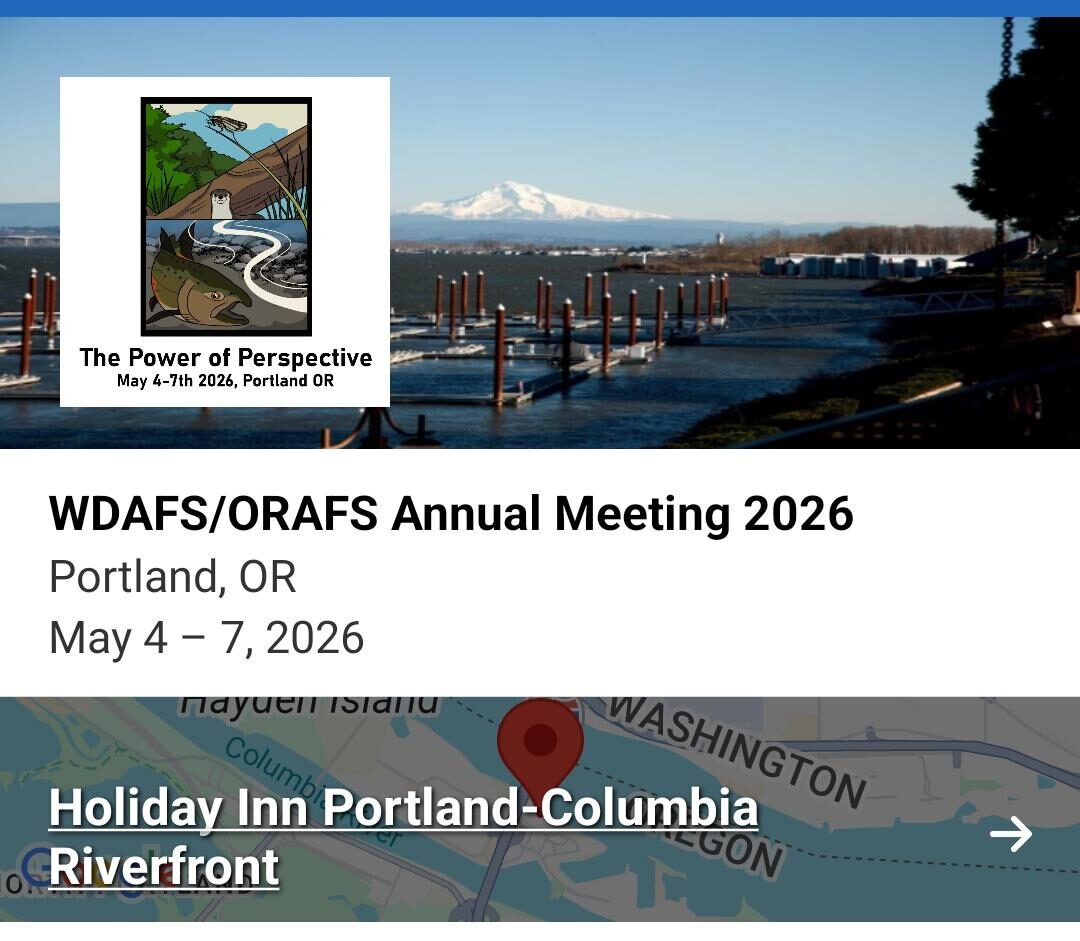
The international conference is being held from May 4 to 7, 2026, at the Holiday Inn Portland–Columbia Riverfront, Oregon (USA), bringing together global experts, researchers, and policymakers working in fisheries, aquatic sciences, and environmental sustainability.
Prof. Dr. Naeem Khan will present his research paper titled “Impact of Indus Water Treaty (IWT) Suspension on Pakistan’s Aquatic Biodiversity and Ecosystems” during a scheduled session on May 7, 2026.

The study highlights the ecological and socio-economic importance of the Indus River system, which supports one of the largest irrigation networks in the world and plays a critical role in Pakistan’s food security, rural livelihoods, and freshwater biodiversity.
According to the research, the Indus Waters Treaty (1960) has historically ensured a stable framework for water sharing between Pakistan and India. However, the recent unilateral suspension of the treaty in April 2025 poses serious risks to downstream ecosystems, particularly in rivers like the Chenab.
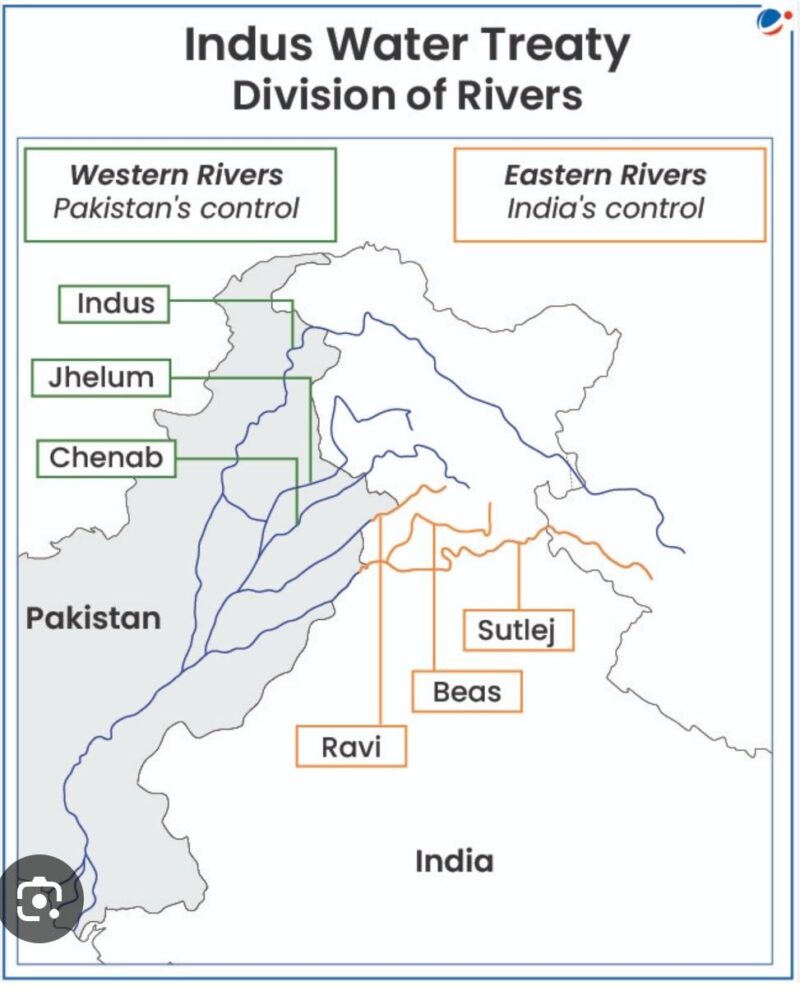
The findings indicate that any reduction or alteration in river flows can disrupt essential ecological processes, including nutrient transport, seasonal flooding, groundwater recharge, and fish spawning cycles. These disruptions threaten aquatic biodiversity, including species such as Golden Mahseer, Wallago catfish, freshwater turtles, and migratory waterfowl, as well as livelihoods dependent on freshwater systems.
The research further highlights that such environmental changes could directly impact agricultural productivity and inland fisheries in Pakistan’s Punjab plains, widely regarded as the country’s “breadbasket.” It also connects these risks with broader climate challenges, including glacier retreat, extreme floods, droughts, and erratic monsoon patterns.
In the absence of a structured water-sharing mechanism, reduced freshwater and sediment flows may accelerate desertification, soil degradation, and ecological decline, extending downstream to the Indus Delta, where coastal ecosystems and fisheries are already under stress.
Prof. Dr. Muhammad Naeem Khan is a senior academic and fisheries expert with decades of experience in aquatic ecology, biodiversity conservation, and environmental research. His participation in this international forum reflects the growing importance of Pakistan’s scientific voice in global discussions on transboundary water management and ecosystem sustainability.
The presentation is expected to highlight key environmental concerns and contribute to ongoing global dialogue on sustainable water governance and biodiversity protection.