Dr Ali Butt (Veterinary officer)
Livestock And Dairy Development Department, Punjab.
alibutt11702@gmail.com
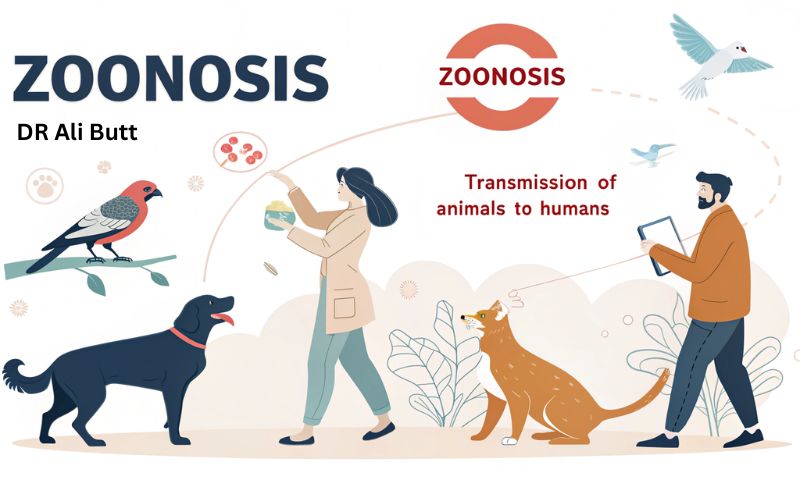
Zoonosis also known as zoonotic disease is an infectious disease that has jumped from non-human animal to human (WHO). It is a disease that is naturally transmissible from vertebrate animals to humans. But mutations are also responsible for this shift. Some zoonosis is preventable through vaccination while some can’t be control and have very drastic impacts. Zoonotic pathogens might be conventional like bacterial, viral or parasitic or unconventional like fungi, prions (mad cow disease).
Symptoms of zoonotic diseases vary depending on the specific illness. Some common symptoms include fever, tiredness (fatigue), headache, body aches, rash, diarrhea, vomiting. Some notable zoonosis of bacterial origins includes anthrax, brucellosis, lyme disease, plague, q fever, salmonella, tuberculosis. Parasitic zoonoses includes echinococcosis (like hydatid cyst disease), liver fluke, malaria, taeniasis (a type of tapeworm you can get from undercooked pork or beef). Viral zoonoses includes avian influenza (bird flu), ebola. mpox, rabies.
Transboundary Animal Diseases: Impacts and Control
Dr Ali Butt Latest Article
Zoonosis can spread through Contact with the body fluids (like blood, pee, poop and saliva) of infected animals, through bites and sometimes scratches from infected animals. Bites from insects, like ticks, mosquitos or fleas may also be the source. Eating undercooked meat or drinking contaminated water also cause zoonosis.
Any animal can carry zoonotic illnesses. From Bats, Birds, Cats, Dogs to Livestock (cows, pigs and sheep), monkeys, apes and chimpanzees. Moreover, rodents like rats, mice, moles and voles may also carry zoonosis. People working with animals as part of their job or hobbies or hunters, and people with weak immune system are at higher risk to catch zoonosis.
Treatment for zoonotic illness depends on the infection. Not all zoonotic diseases have specific medications that get rid of the infection. Treatment might include antibiotics, antivirals, antifungals and antiparasitic medications. Monoclonal antibodies are used to treat some hard-to-treat zoonosis like Ebola.
Livestock Production Enhancement
Dr Ali butt latest Article
Ways you can reduce your risk of infection with a zoonotic disease include:
1- Stay up-to-date on vaccinations. If you’re at risk for certain zoonotic illnesses, like mpox, rabies or Ebola, you can get vaccinated to help protect you from infection.
2- Many zoonotic illnesses don’t have vaccines. So, protect yourself accordingly like
a- Protect yourself from insect bites. Wear long sleeves and long pants. check yourself and your pets for insects after being outside regularly. Try to avoid animal bites and scratches.
b- Avoid contact with infected body fluids. For some serious illnesses (like Ebola), this means using protective equipment (such as a mask, goggles, apron and gloves) when caring for someone with an infection.
c- Follow safe food preparation practices. Don’t eat uncooked bush meat (the meat of wild animals). Cook meat to safe temperatures. Don’t drink or prepare food with untreated water. Don’t drink unpasteurized milk or eat foods made with unpasteurized milk
In short, zoonosis can be mild infections like common flue or as serious as EBOLA infections but can be prevented with proper hygiene practices and care.